
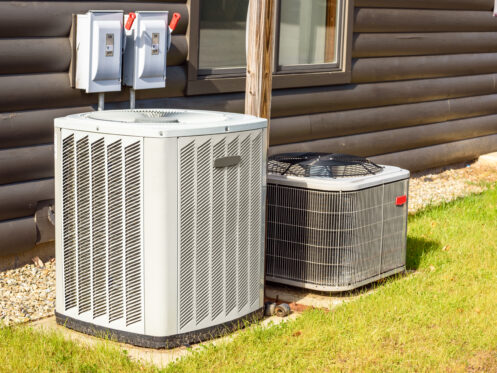
New construction projects offer a valuable opportunity to create a home that delivers comfort, efficiency, and long-term performance from the very beginning. Whether you are building a custom home in White Plains, MD, or elsewhere in Southern Maryland, proper HVAC design should be a priority during the planning phase.
A well-designed system supports comfort, energy efficiency, indoor air quality, and long-term performance. Planning your HVAC system early helps ensure your new home is built around your family’s needs.
Why Is HVAC Design Critical for New Residential Construction?
Every custom home has unique requirements based on factors such as square footage, floor plan, ceiling heights, insulation levels, window placement, and the number of occupants. A system designed specifically for those needs can provide more consistent temperatures, better airflow, improved indoor air quality, and greater energy efficiency. Without proper planning, homeowners may experience uneven temperatures, higher utility bills, and increased wear on equipment.
What Factors Influence HVAC Design for Residential Buildings?
Several important factors influence how an HVAC system should be designed for a new custom home in Southern Maryland.
Home Size and Occupancy Requirements
The size of your home is one of the most significant factors affecting heating and cooling demands. Larger homes often require carefully planned zoning, ductwork, and equipment selection to maintain consistent comfort throughout every room. The number of people living in the home also plays a role. Understanding how your family will use the space helps ensure the system is designed to provide reliable comfort year-round.
Southern Maryland Climate Considerations
The Southern Maryland region experiences hot, humid summers and cooler winter temperatures. Humidity control is a key consideration because excess moisture can make your home feel uncomfortable and impact indoor air quality. A properly designed system helps regulate both temperature and humidity levels while supporting energy-efficient operation.
Home Layout and Future Needs
Your home’s layout directly affects airflow, equipment placement, and zoning requirements. Open-concept floor plans, multiple stories, high ceilings, and large windows can all influence system design.
Future needs should also be considered during the planning phase. Whether you plan to finish a basement, convert a bonus room, or accommodate a growing family, designing a system with long-term flexibility can help support your home’s evolving needs.
Key Components of an Effective Residential HVAC Design
A successful residential HVAC system combines several design elements that work together to support comfort, efficiency, and long-term performance.
Accurate Load Calculations
Load calculations help determine the appropriate system capacity for your home. Proper sizing is essential because equipment that is too large or too small can negatively impact comfort, efficiency, and system longevity.
Factors such as square footage, insulation levels, window placement, occupancy, ceiling heights, and home orientation are all evaluated during this process to help ensure optimal system performance.
Ventilation and Indoor Air Quality
Indoor air quality is an important consideration in any new home. Proper ventilation helps circulate fresh air while reducing indoor pollutants and managing humidity levels.
Depending on your household’s needs, system designs may include advanced air filtration, humidity control solutions, and ventilation strategies that support a healthier and more comfortable indoor environment.
Smart Controls and Home Automation
Many homeowners choose to incorporate smart thermostats and connected home technology into their new construction projects. These systems make it easier to manage comfort settings, monitor energy usage, and adjust temperatures remotely.
Smart controls can also help improve efficiency by automatically adjusting system operation based on occupancy patterns and household preferences.
The Benefits of Early HVAC Planning During Construction
One of the most important steps in building a custom home is involving an HVAC provider during the early design stages, which allows architects, builders, and HVAC specialists to coordinate system requirements before construction progresses. This helps prevent design conflicts, reduce installation challenges, and avoid costly modifications later. It also ensures that equipment placement, ductwork, and ventilation requirements are properly integrated into the home’s design.
Through professional new construction services, Southern Pride Service helps homeowners develop customized systems designed to deliver long-term comfort, energy efficiency, and reliable performance.
Partner With Southern Pride Service for New Construction HVAC Design
Proper HVAC design helps ensure your custom home delivers consistent comfort, energy efficiency, and reliable performance for years to come. Working with an experienced company during the planning phase can help you avoid common issues and create a system tailored to your home’s unique needs.
If you are building a custom home in White Plains, MD, or the surrounding Southern Maryland area, contact Southern Pride Service for professional new construction HVAC design and installation services.