Geothermal HVAC systems are getting increasingly popular across Southern Maryland, as more homeowners are looking for long-term and energy-efficient heating and cooling solutions. Traditional HVAC systems depend on outdoor air temperatures, but geothermal systems use the stability of underground temperatures to heat and cool homes. The initial investment is higher than that of a conventional system, but the long-term comfort, savings, and environmental benefits are appealing to many households. Knowing what factors go into the installation cost can help you make realistic plans while avoiding surprises.
How Geothermal HVAC Systems Work
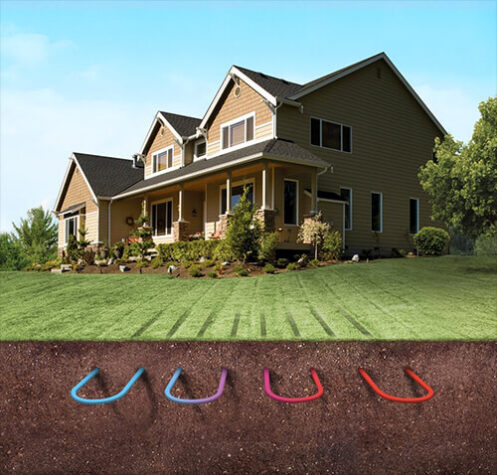
A geothermal HVAC system works by moving heat between a home and the ground around it. In Southern Maryland, underground temperatures remain relatively stable year-round, typically around 55 degrees Fahrenheit. A series of underground pipes (a ground loop) circulates a water-based solution. It absorbs heat from the earth in winter to warm the home; in summer, it does the reverse, moving heat from the home and releasing it into the surrounding terrain.
Inside a home, a geothermal heat pump utilizes this consistent temperature to deliver heating and cooling. In some cases, hot water is even possible. Since the system moves heat instead of creating it, a geothermal installation uses substantially less energy than a traditional air conditioner or furnace. This efficiency is a significant reason homeowners consider geothermal technology despite the higher upfront investment.
Average Geothermal HVAC Installation Costs in Southern Maryland
The average cost to install a geothermal HVAC system in a standard single-family home runs from $20,000 to $35,000 across Southern Maryland. Challenging soil conditions, complex layouts, and bigger homes can drive costs higher; in such cases, the price can reach $40,000 or more. Smaller homes and properties with ideal conditions might land closer to the $20K price point.
The price typically includes the ground loop installation, electrical work, system commissioning, and a geothermal heat pump. If necessary, this package may include ductwork modifications, which can drive up the overall cost. It’s crucial that homeowners confirm what’s in the different estimates; some quotes might exclude restoration work or site preparation.
Compared to a conventional HVAC system, these numbers might seem rather high. However, geothermal systems usually cost less to operate and last longer. View the total cost of ownership and potential savings over a 20- to 25-year period, and you’ll see how economically competitive this option can be.
Factors That Influence Geothermal Installation Costs
Several factors matter when determining the complete cost of a geothermal HVAC installation. These include the kind of ground loop used, soil conditions, home size and demands, and specific property needs.
Ground Loops
Ground loop systems can be horizontal or vertical in nature. A horizontal loop usually costs less, but it requires more land. Conversely, a vertical loop costs more due to drilling; however, it can be ideal for a smaller lot or a property with limited open space.
Soil Conditions
Drilling and excavation costs can be higher for rocky or sandy soil. Properties with wooded lots or heavily landscaped areas also require careful excavation. Open areas or spaces with easy access are usually more affordable.
Home Size and Household Demand
The heating and cooling requirements of your home and family impact system sizing. A larger home requires more extensive ground loops and a larger heat pump, increasing material and labor costs. Existing ductwork can also influence pricing. A home with undersized or older ducts might need efficiency upgrades to work properly with a geothermal system.
Property Particulars
Utility requirements and local permitting rules can add to the overall cost, as can the restoration of driveways or lawns following installation. The best way to identify and quantify these factors is through a detailed site evaluation.
Horizontal vs. Vertical Loop Systems
A horizontal loop system is usually the most cost-effective option, provided there’s enough land available. Experts dig trenches several feet below the surface, where they then lay out loop piping horizontally. Southern Maryland properties with bigger yards or rural settings frequently qualify for this kind of system.
If you have a vertical loop system, you’ll need a team to drill deep boreholes, sometimes going 150 to 300 feet deep, if not more. These systems are more common in suburban areas where lot sizes are smaller. Drilling increases the upfront costs, but vertical loops need less surface disruption and are very durable.
Choosing between horizontal and vertical loops has a substantial influence on potential installation costs. Consider your budget, land availability, and long-term plans when choosing the option that best suits you.
Energy Savings and Long-Term Operating Costs
The low operating cost is one of the most prominent benefits of geothermal HVAC systems. Southern Maryland homeowners frequently see heating and cooling energy savings of 40 to 70% compared to traditional systems. These savings can add up dramatically over time, particularly as energy prices continue to rise.
Geothermal systems also have the advantage of fewer moving parts in outdoor conditions. This reduces maintenance costs while extending equipment life. Many geothermal heat pumps wind up lasting for 25 years or more; ground loops can last twice as long.
When calculating total costs, you need to consider these long-term savings in addition to the initial installation price. For many homeowners, lower monthly utility bills can help offset the higher initial investment.
Tax Credits and Incentives for Geothermal Systems
Federal tax credits can substantially reduce the overall cost of installing a geothermal system. Homeowners might be eligible for federal tax credits covering a percentage of the overall installation cost, including labor and equipment. This incentive might reduce the effective price by a few thousand dollars.
On top of federal incentives, residents in Maryland sometimes have access to local or state programs supporting energy-efficient home improvements. Utility rebates or financing programs are also sometimes available, based on the provider and location.
Since incentive programs can change, work with an experienced geothermal contractor that stays up to date on the available credits. They can help you ensure proper documentation.
Is Geothermal HVAC Worth It in Southern Maryland?
Southern Maryland has a moderate climate that’s well-suited for geothermal HVAC systems. Consistent underground temperatures let systems operate efficiently year-round, delivering reliable comfort in both winter and summer.
Serving Southern Maryland With Reliable Geothermal Solutions
Homeowners benefit from working with HVAC professionals who have years of experience handling climate needs, managing permitting requirements, and understanding local soil conditions. In addition to geothermal installation, many homeowners also need services ranging from ductwork upgrades and indoor air quality improvements to ongoing system maintenance and repairs.
If you’re looking into geothermal HVAC installation costs for your Southern Maryland home and want expert guidance from beginning to end, we’re here to help. Our geothermal services include installation, repairs, and rebates. Schedule a consultation with Southern Pride Service to improve your home’s efficiency, comfort, and long-term value with geothermal HVAC technology. You can also schedule maintenance for your current system.